
Becoming an American citizen represents one of the most significant milestones in the life of any immigrant. The process of naturalisation offers not only the security of permanent residency but also the full rights and responsibilities that accompany citizenship. For those who have made the United States their home, understanding the procedures involved in applying for citizenship is essential. The journey to obtaining U.S. citizenship may seem complex, but with proper guidance and preparation, it becomes a manageable and rewarding experience. This complete guide aims to demystify the naturalisation process, providing clear insights into what applicants need to know at every stage.
- Applicants must meet foundational eligibility requirements including residency, physical presence, and good moral character to qualify for U.S. citizenship.
- Most applicants need to hold a green card for five years, although those married to U.S. citizens may qualify after only three years.
- Demonstrating good moral character involves a thorough background check, including fingerprinting and biometrics, to verify the applicant's criminal and immigration history.
- The formal naturalization process is initiated by submitting Form N-400, which requires detailed personal, employment, and travel history.
- Accuracy and thoroughness when completing Form N-400 are critical to avoid processing delays or potential requests for additional information.
- Applicants must gather and provide all necessary supporting documentation to substantiate the information provided in their citizenship application.
Understanding eligibility requirements for american naturalisation
Before embarking on the path to citizenship, prospective applicants must first determine whether they meet the fundamental eligibility requirements established by United States Citizenship and Immigration Services, commonly known as USCIS. These requirements serve as the foundation of the naturalisation process and ensure that applicants have demonstrated a genuine commitment to becoming part of American society. The eligibility criteria encompass several key areas, including residency, physical presence, good moral character, and an understanding of the English language and civics. Meeting these standards is the first crucial step in the 10-step process that leads to the Oath of Allegiance and full citizenship rights.
Minimum residency and physical presence criteria
One of the primary eligibility requirements for naturalisation is establishing that the applicant has maintained lawful permanent resident status for a specified period. Generally, individuals must have held a green card for at least five years before they can apply for citizenship. However, certain exceptions exist, such as for those married to U.S. citizens, who may be eligible to apply after only three years of permanent residency. Beyond the residency requirement, applicants must also demonstrate physical presence within the United States. This means that they must have been physically present in the country for at least half of the required residency period. Additionally, continuous residence is essential, which implies that applicants should not have taken extended trips abroad that would break the continuity of their stay. These residency and physical presence criteria are designed to ensure that applicants have established genuine ties to the United States and are committed to making it their permanent home. Understanding these requirements is vital, as any gaps or irregularities in residency can delay or complicate the citizenship application process.
Good moral character and background check considerations
Demonstrating good moral character is another critical component of the naturalisation process. USCIS evaluates an applicant's behaviour and conduct over the statutory period preceding the application to determine whether they meet this standard. Good moral character is assessed through various factors, including adherence to the law, payment of taxes, and overall integrity. Applicants with certain criminal convictions or immigration violations may face challenges in proving good moral character, and in some cases, these issues may disqualify them from eligibility altogether. The background check is a thorough process that involves fingerprinting and biometrics, which are used to verify the applicant's identity and check for any criminal history. This stage of the naturalisation process underscores the importance of maintaining a clean record and being forthcoming about any past issues. Transparency and honesty throughout the application process are crucial, as any attempt to conceal information can result in denial or even legal consequences. By meeting the good moral character requirement, applicants demonstrate their readiness to uphold the values and laws of the United States.
The application process: form n-400 and supporting documentation
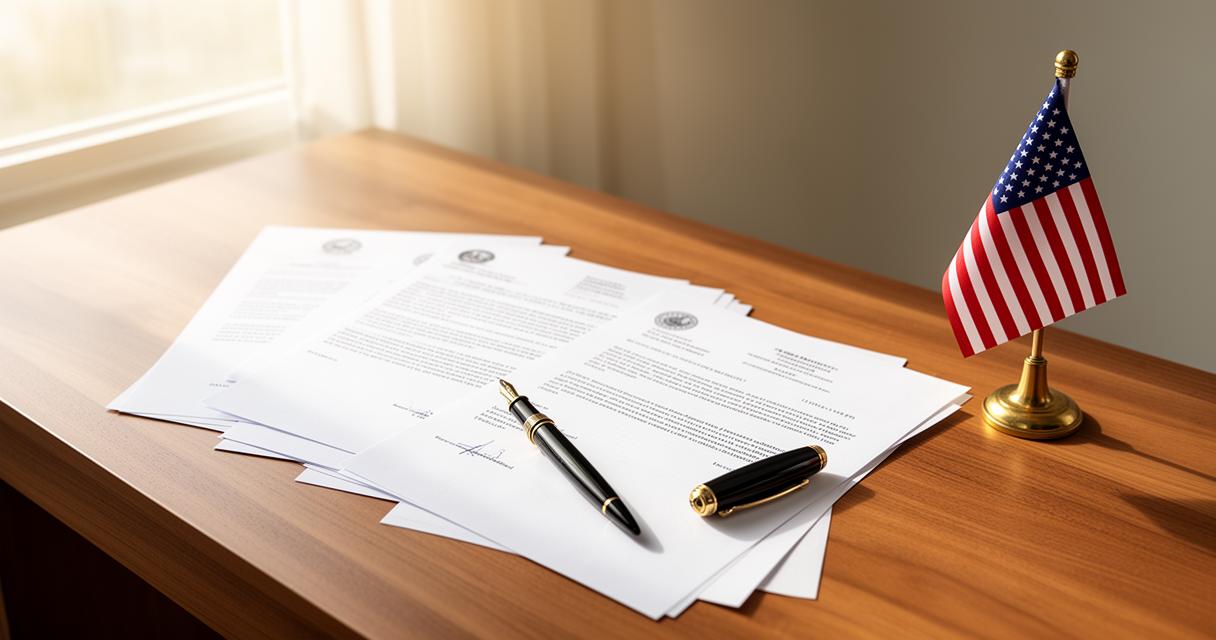
Once eligibility is confirmed, the next phase involves preparing and submitting the formal citizenship application. Form N-400, the Application for Naturalization, is the official document that initiates the process. This form requires detailed information about the applicant's background, residency history, and personal circumstances. Completing Form N-400 accurately and thoroughly is essential, as any errors or omissions can lead to delays or requests for additional information. The application process also involves gathering a range of supporting documents and paying the necessary fees. Understanding how to navigate this stage effectively can significantly streamline the journey to citizenship and reduce the likelihood of complications.
Completing your naturalisation application correctly
Form N-400 is a comprehensive document that requires applicants to provide extensive details about their personal history, including their immigration status, employment, travel history, and family relationships. Each section of the form must be completed with care, ensuring that all information is accurate and consistent with official records. Applicants should take the time to review the instructions provided by USCIS and seek clarification on any questions that seem unclear. Many resources are available on the government website to assist with completing the form, including step-by-step guides and frequently asked questions. It is also advisable to keep copies of all documents and records related to the application, as these may be requested during the interview stage. Accuracy is paramount, as discrepancies between the application and supporting documents can raise red flags and complicate the process. By approaching Form N-400 with attention to detail and thoroughness, applicants can avoid common pitfalls and move forward with confidence.
Gathering required documents and evidence
In addition to completing Form N-400, applicants must compile a variety of supporting documents that verify the information provided in the application. These documents typically include a copy of the permanent resident card, also known as a green card, as well as identification documents such as a passport or driver's licence. Applicants may also need to provide evidence of their residency and physical presence, such as tax returns, lease agreements, or utility bills. For those applying based on marriage to a U.S. citizen, additional documentation proving the bona fide nature of the marriage may be required. Gathering these documents in advance can help expedite the application process and ensure that all necessary evidence is available when needed. USCIS also requires applicants to submit passport-style photographs and pay the applicable fees, which cover the cost of processing the application and conducting biometrics. The fees vary depending on the applicant's circumstances, and in some cases, fee waivers or reductions may be available for those facing financial hardship. Organising and submitting a complete application package is a critical step that sets the stage for the next phases of the naturalisation process.
The citizenship interview and examination
After submitting Form N-400 and attending the biometrics appointment, applicants will be scheduled for a citizenship interview. This interview is a pivotal moment in the naturalisation process, as it provides USCIS officers with the opportunity to verify the information provided in the application and assess the applicant's knowledge of English and U.S. civics. The interview and examination are designed to ensure that applicants are prepared to fulfil the responsibilities of citizenship and possess a basic understanding of the country's history, government, and values. Preparation for this stage is essential, as it can significantly impact the outcome of the application.
Preparing for the English Language and Civics Test
The citizenship interview includes an English language test and a civics examination, both of which are integral components of the naturalisation process. The English language test assesses the applicant's ability to read, write, and speak English at a basic level. During the interview, the USCIS officer will ask questions about the information provided in Form N-400, and the applicant's responses will demonstrate their speaking and comprehension skills. The reading and writing portions of the test typically involve simple sentences related to U.S. history and government. The civics test, on the other hand, evaluates the applicant's knowledge of American history, government structure, and the rights and responsibilities of citizens. Applicants are required to answer a set number of questions correctly from a list of possible questions provided by USCIS. Study materials and practice tests are widely available on the government website and through various community organisations. Preparing for these tests requires dedicated study and practice, but the effort is well worth it, as passing the interview is a key step towards achieving citizenship. Applicants who may struggle with the English language or have difficulty understanding the material should consider enrolling in citizenship preparation classes, which are often offered by local libraries, community centres, and immigrant advocacy groups.
What to expect during your naturalisation interview
The naturalisation interview itself is typically a straightforward process, though it can be understandably nerve-wracking for many applicants. On the scheduled date, applicants will arrive at a USCIS office and be called in for their interview by an immigration officer. The officer will begin by asking the applicant to take an oath to tell the truth, and then proceed to review the information provided in Form N-400. This review involves asking questions about the applicant's background, residency, employment, and any other relevant details. The officer will also conduct the English language and civics tests during this time. It is important for applicants to remain calm, answer questions honestly, and ask for clarification if they do not understand something. The interview is an opportunity to demonstrate readiness for citizenship, and a positive attitude and cooperative demeanour can make a favourable impression. After the interview, the USCIS officer will inform the applicant of the decision, which may be to approve the application, request additional evidence, or in some cases, deny the application. If the application is approved, the applicant will receive a notice with the date and location of the Oath of Allegiance ceremony, which is the final step in the naturalisation process. Taking the Oath of Allegiance is a momentous occasion, marking the transition from permanent resident to full-fledged citizen, with all the rights and responsibilities that entails. Understanding what to expect during the interview and being well-prepared can help applicants navigate this stage with confidence and achieve their goal of becoming American citizens.