Martinique is one of those places that rewards the curious traveller who arrives with a bit of time, a decent pair of walking shoes and a genuine willingness to look beyond the postcard shots. This French island in the Antilles blends volcanic drama, rum-soaked heritage and some of the most photogenic coastlines in the Caribbean, making it an ideal destination for backpackers who prefer to wander at their own pace rather than follow a crowded group itinerary.
What to know
- Martinique offers a diverse landscape for backpackers, ranging from dramatic volcanic peaks in the north to serene golden beaches in the south.
- Mount Pelée provides a challenging hiking experience and a striking contrast to the relaxed atmosphere of southern coastal towns.
- Diamond Rock, situated near Le Diamant, serves as a prime geological landmark for photographers exploring the island’s coastline on foot.
- The island’s rich Rhum Agricole heritage can be explored through historic estates like Habitation Clément and distilleries near Saint-Pierre.
- The Caravelle Peninsula and the eastern coast offer rugged, wind-battered trails that are perfect for capturing wild and remote scenery.
- Sunset photography is best enjoyed at spots like Anse Mitan or the quieter beaches near Sainte-Anne, where lighting conditions are ideal.
- Beyond its natural beauty, Martinique features a vibrant contemporary art scene and cultural sites that provide depth to the island’s historical identity.
Why diamond rock and mount pelée deserve your camera’s full attention
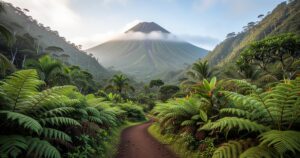
No trip to the island feels complete without pointing your lens toward Mount Pelée, the brooding volcano that dominates the northern landscape and gives Martinique much of its dramatic character. For anyone planning a backpacking route around the island, working Essential tips for backpacking in Martinique into your preparation will help you decide how much time to dedicate to the mountain trails versus the coastline, since both demand rather different logistics and stamina.
Capturing the volcanic drama: from Anse Salines’ golden sand to Pelée’s mountain trails
Down in the south, Grande Anse des Salines is often mentioned as the most beautiful beach on the island, with soft golden sand framed by coconut palms that lean elegantly toward the turquoise water. It’s a wonderful contrast to the raw, mist-covered slopes of Pelée further north, and photographing both in a single trip gives a real sense of Martinique’s range, from tropical shoreline to volcanic peak. The south generally features rolling hills and colourful villages that make for a gentler, more relaxed pace of travel, while the mountain trails ask for a bit more effort and proper footwear.
Diamond Rock’s geological wonder through a backpacker’s lens
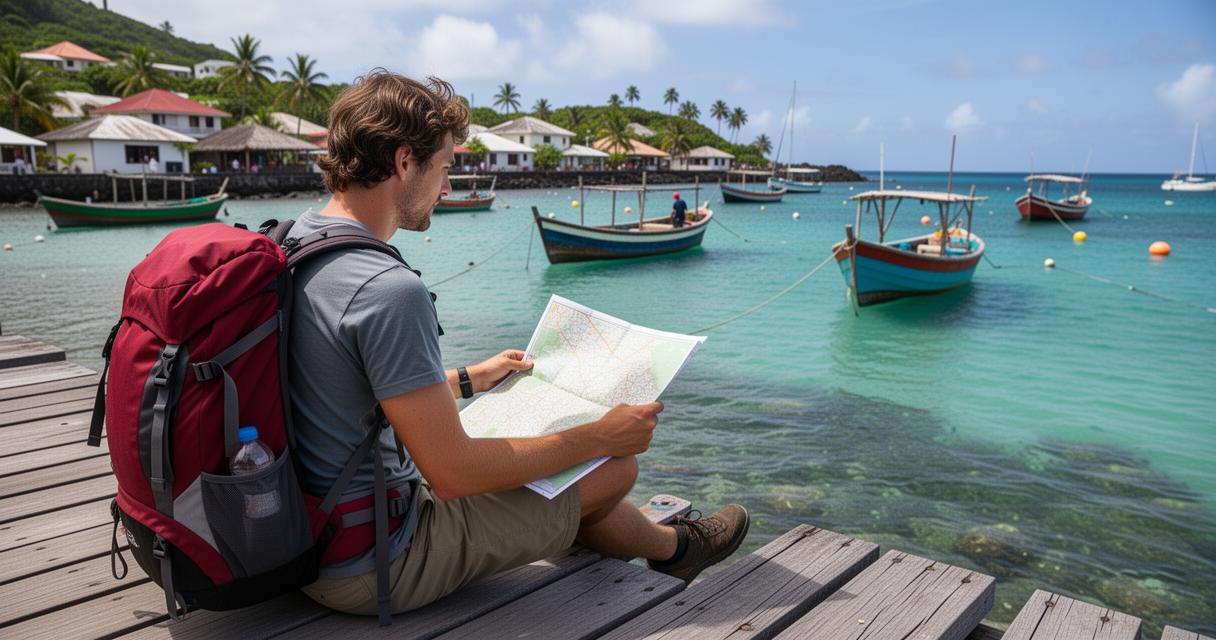
Just off the coast near Le Diamant sits the striking volcanic islet known as Diamond Rock, a formation that has fascinated visitors and photographers for generations. Nearby, Plage du Diamant stretches for several kilometres, giving you plenty of room to find that perfect angle where the rock sits framed by sand and sea. It’s a spot best visited slowly, on foot, with your camera ready and no particular schedule to keep, which is really the whole appeal of backpacking through this part of the island.
Where rum manufacturing meets photography: habitation clément and beyond
Martinique’s identity is deeply tied to its Rhum Agricole, a style of rum made from fresh sugarcane juice rather than molasses, and it carries an AOC designation that reflects its strong regional roots. The historic Habitation Clément estate is one of several places where you can wander through old plantation buildings and distillation rooms, camera in hand, tracing the story of how this spirit came to define the island.
Illustrating the spirit of Saint Pierre’s distillery heritage
Up near Saint-Pierre, a town that carries centuries of history on its stones, the atmosphere feels distinctly different from the beach towns further south. Distillerie Saint James, one of the island’s notable producers, features a rum museum alongside sweeping views over the Atlantic coast, offering a natural pairing of heritage and landscape photography in one visit. Elsewhere, Distillerie La Mauny welcomes visitors with guided tours and tastings covering the various styles of rum produced on site, giving photographers plenty of texture, from copper stills to ageing barrels, to work with.
Photographing the rum-making process: from Sainte Luce to the Caravelle Peninsula
Travelling east toward Sainte-Luce and onward to the wild, wind-battered Caravelle Peninsula reveals a completely different mood, one of rugged coastal trails and dramatic surroundings rather than manicured estate gardens. This stretch of the island rewards those willing to walk a little further off the main road, with sweeping views that make for some of the most memorable frames of the entire trip. Renting a car or arranging private transport is often the easiest way to cover this ground, since public routes between these smaller towns can be limited.
Sunset photography spots that hit different: from anse mitan to contemporary art centres
As the day winds down, Martinique reveals yet another side of itself, one built around long golden hours and skies that shift through pink, orange and deep violet over the water.
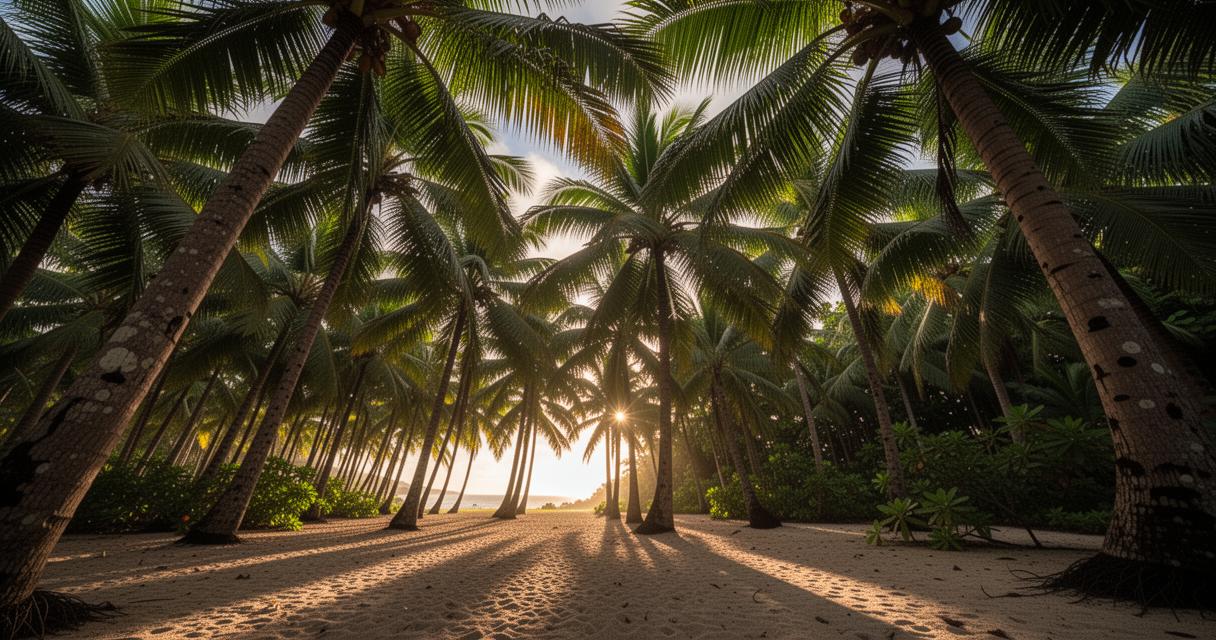
Chasing golden hour light across Martinique’s beaches and surroundings
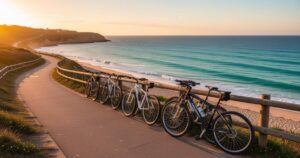
Anse Mitan, with its calm bay and view across toward Fort-de-France, is a favourite spot for watching the sun dip below the horizon, and the reflections on the water at that hour are hard to beat. Further along the coast, quieter beaches near Sainte-Anne offer a similar spectacle with far fewer people around, ideal for anyone travelling solo or simply looking for a moment of stillness after a day of exploring. Packing a light tripod is worth considering if you want sharp shots as the light fades, since sunset photography often means working in low conditions.
Discovering the island’s creative heart: art, freedom and respect in every frame
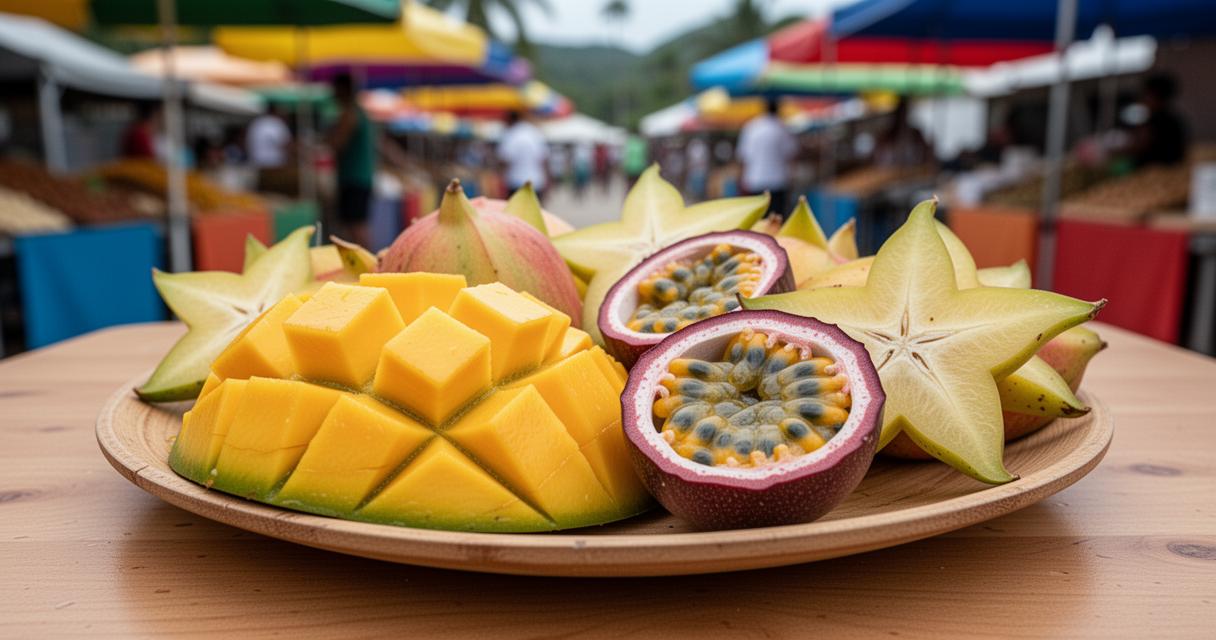
Beyond its beaches, Martinique has a genuine contemporary art scene, with small galleries and cultural centres scattered across the island that showcase local painters, sculptors and photographers. Visiting these spaces adds real depth to a trip, offering a sense of the sincerity, tolerance and creative freedom that shape the island’s modern identity alongside its colonial history. Trois-Îlets, birthplace of Empress Joséphine, is also worth a stop for its museum at the La Pagerie estate, while Sainte-Anne’s Creole village charm, with its colourful wooden houses and lively market, offers another layer of discovery entirely. Whether you’re mapping out a route with a simple paper map or planning everything digitally, taking time to slow down and absorb the local spirit of respect and hospitality will shape your memories of Martinique just as much as any single photograph.