Choosing the right moment to explore a country can make all the difference, and Morocco in the first month of the year strikes a rare balance between comfort and adventure. Between mild days, cooler evenings and a noticeable dip in crowds, this North African destination reveals a different, more relaxed side of itself during the winter season, making it an appealing choice for travellers keen on culture, landscapes and a bit of sunshine without the summer heat.
Key takeaways
- Morocco in January offers a mild winter climate characterized by pleasant daytime sunshine and cooler temperatures in the evenings.
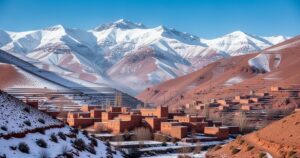
- The country’s diverse geography results in varied weather, ranging from temperate conditions in coastal cities like Agadir to freezing nighttime temperatures in the desert and snow-capped High Atlas peaks.
- Imperial cities like Marrakech, Fes, and Meknes are ideal for exploration during this season because the moderate temperatures make walking through historical medinas more comfortable than in the summer.
- While January experiences occasional rainfall, particularly in the north, it rarely disrupts travel plans and provides a greener, fresher landscape.
- The shorter daylight hours in January encourage a slower, more intentional pace, perfect for enjoying photography during the golden hour or quiet desert treks.
- Travelers are advised to pack layers, as the significant temperature shifts between sunny afternoons and chilly nights require flexible clothing options.
Understanding morocco’s climate during the winter month
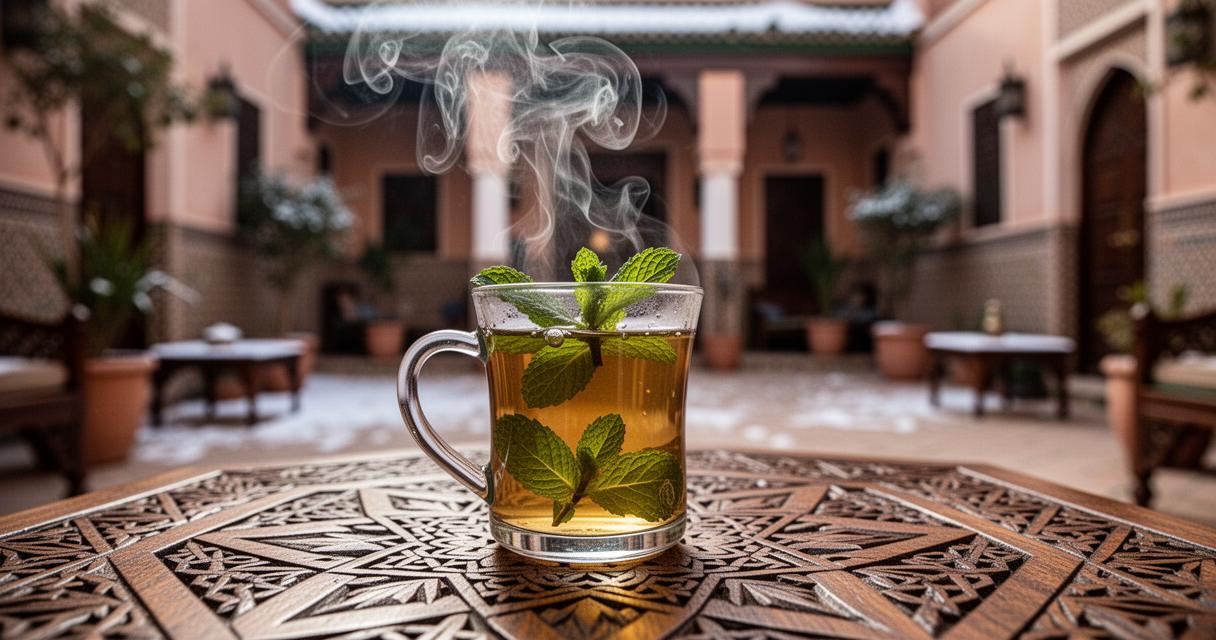
When people wonder what conditions to expect, the honest answer is that Morocco’s climate in January is wonderfully varied depending on where you find yourself. Generally speaking, the country enjoys a mild winter climate rather than a harsh one, with plenty of sunshine punctuating cooler spells. This is precisely what makes the month so appealing for travel: warm enough for sightseeing during the day, yet crisp enough at night to make a mint tea by a fireplace feel like a genuine treat.
Temperature ranges across major cities: from coastal mildness to desert warmth
In Marrakech, daytime highs typically hover in the high teens, sometimes edging towards twenty degrees, while the mercury drops considerably once the sun sets, often reaching a chilly minimum of around four to six degrees. Further north, Fes and Meknes tend to run slightly cooler, with daytime temperatures generally sitting a touch lower than in Marrakech and a greater likelihood of misty mornings. Meanwhile, the desert regions surrounding Merzouga offer a curious contrast: warm, sunlit afternoons followed by properly cold nights, sometimes dropping close to freezing, which is why layering is essential for anyone heading towards the dunes. Up in the High Atlas, conditions turn properly wintry, with snow settling on the peaks and nighttime lows plunging well below zero, creating a striking scene against the region’s rugged terrain.
Precipitation patterns and humidity levels throughout jan
Rainfall does make an appearance during this period, though it rarely disrupts travel plans entirely. Fes and Chefchaouen tend to see a bit more precipitation than Marrakech, giving the region a fresher, greener feel compared with the drier south. Humidity levels remain fairly moderate across most of the country, with coastal areas naturally carrying a bit more moisture in the air due to their proximity to the Atlantic. Compared with the scorching temperatures of Jul and the still-warm days of Sep, January feels like an entirely different climate altogether, and this shift is part of what draws so many visitors seeking respite from colder European winters.
Regional weather variations: coastal towns to inland destinations
Morocco’s geography means that no two regions experience winter in quite the same way, and this diversity is arguably one of the country’s greatest strengths for travellers who enjoy variety within a single trip.
Marrakech, Fes, and Meknes: Exploring Imperial Cities in Comfortable Conditions
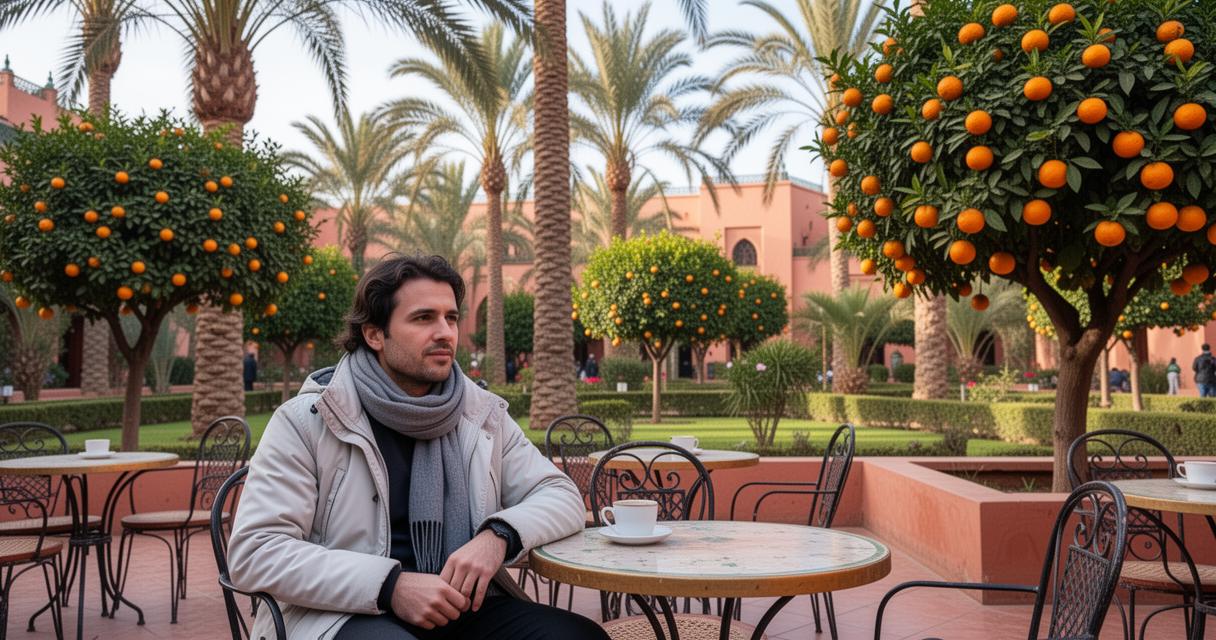
The imperial cities remain wonderfully walkable during this season. Marrakech, with its bustling squares and fragrant souks, offers comfortable daytime conditions that suit long strolls through the medina, while evenings call for a warm layer once the desert-influenced chill sets in. Fes, celebrated for its historic Fes el-Bali quarter, tends to be a touch cooler and slightly damper, lending the ancient alleyways an atmospheric, almost mystical quality. Meknes, often overlooked in favour of its more famous neighbours, shares a similar climate pattern and makes for a quieter, equally rewarding alternative for those wanting fewer crowds without sacrificing historical richness.
Coastal Charm in Essaouira, Agadir, Casablanca, and Rabat During Winter
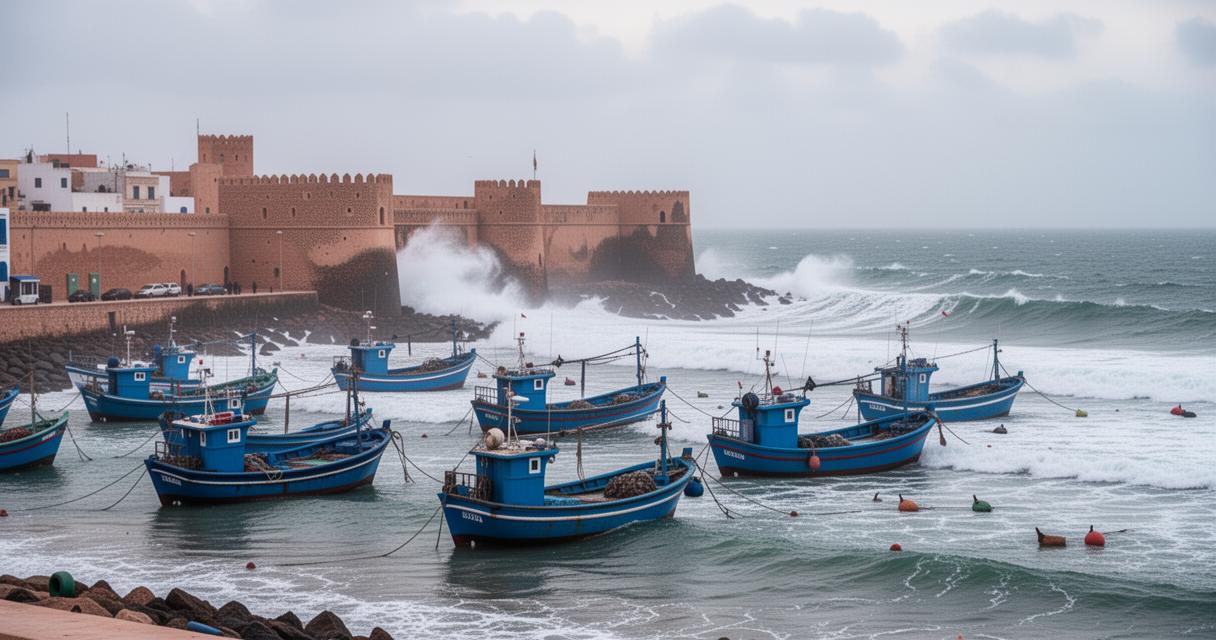
Along the Atlantic coastline, the story shifts again. Essaouira remains breezy year-round, and January is no exception, with winds sweeping through its fortified streets even as daytime temperatures stay pleasant. Agadir, on the other hand, benefits from some of the mildest conditions in the entire country, making it a popular retreat for those craving warmth without desert extremes. Meanwhile, Casablanca and Rabat offer a gentler, more temperate winter, with occasional light rain but generally comfortable conditions suited to exploring architecture, coastal promenades and bustling city life.
Planning your travel: maximising daylight hours and desert experiences
Beyond temperature alone, understanding daylight patterns and seasonal rhythms helps travellers make the most of their time in Morocco, particularly when balancing city exploration with excursions further afield.
Sunrise to Sunset: Making the Most of January’s Daylight for Sightseeing
Days are naturally shorter than during the summer months, with the sunrise arriving later and the sunset settling in by late afternoon. This shorter window encourages an efficient rhythm to the day, with mornings often dedicated to markets and monuments before the light softens into that golden hour so beloved by photographers. Compared with the long evenings of Oct, Nov and Dec, January’s daylight feels more compact, but many find this encourages a slower, more intentional pace of travel.
Desert adventures and mountain escapes during morocco’s cooler season
For those drawn to open landscapes, winter remains a wonderful time for a camel trek beneath the dunes near Merzouga, wrapped in warm layers as the temperature drops after dusk. The Atlas Mountains, meanwhile, offer a completely different experience, with snow-capped peaks providing a dramatic backdrop for hiking villages such as Imlil. Whether venturing towards the Sahara or into the foothills near Asni, cooler months bring a stillness to these regions that summer heat simply cannot match, making January an especially rewarding time to experience Morocco’s natural extremes.